Follow Me On Social Media!

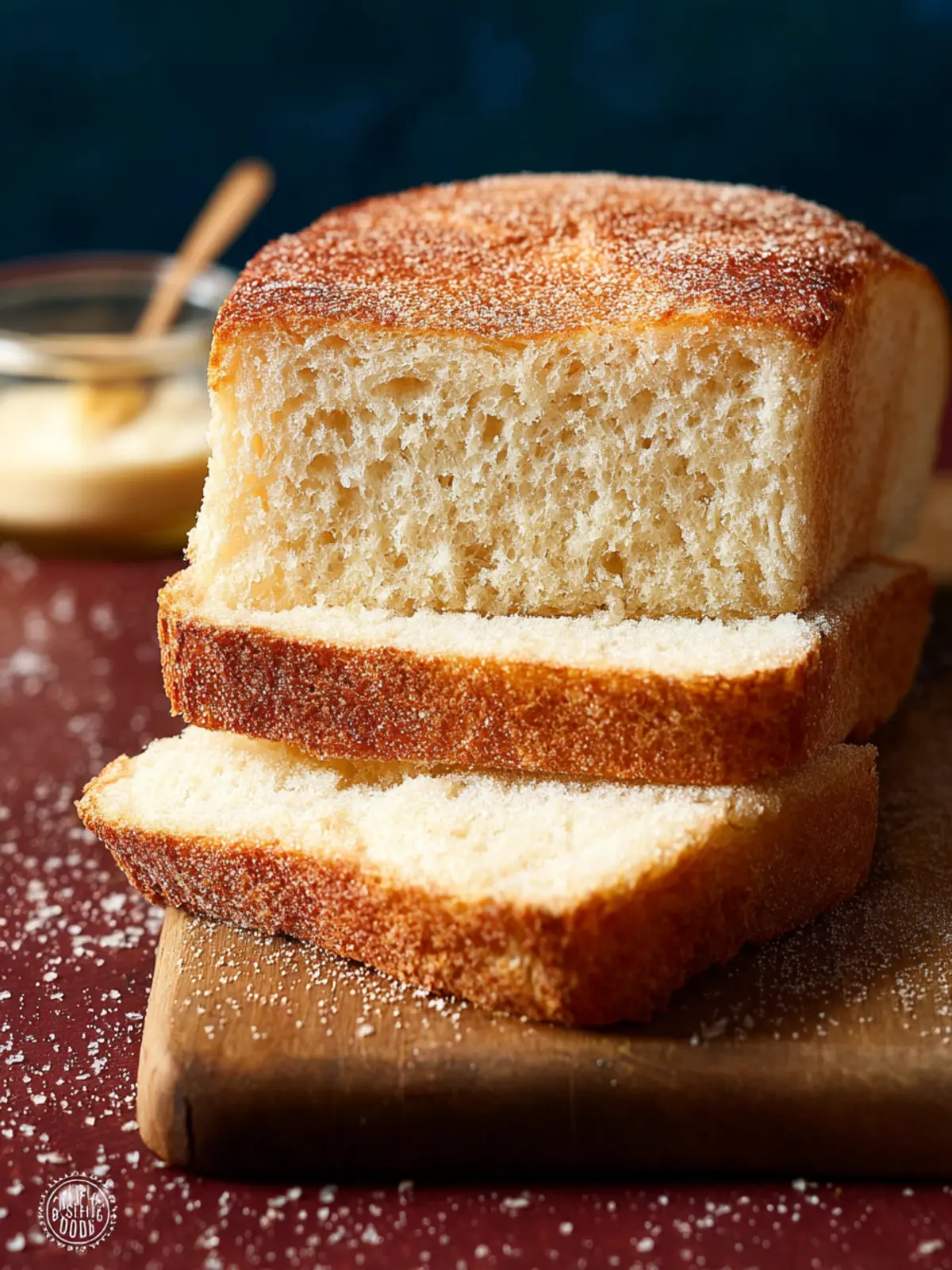
English Muffin Bread: Easy, Homemade Delight You’ll Love

Introduction to English Muffin Bread
There’s something truly magical about making English muffin bread at home. Imagine the delightful aroma wafting through your kitchen as you knead the dough, eagerly anticipating that first warm slice. It’s a comforting feeling—having a loaf that can serve as the perfect base for everything from breakfast sandwiches to afternoon snacks. This bread captures all the essence of classic English muffins but in a convenient loaf form, making it an ideal choice for busy days.
So, why has English muffin bread become a favorite for homemade cooking? For many, it stems from a combination of nostalgia and practicality. Growing up, Sunday mornings often meant toasting those golden English muffins, slathering them with butter, and watching them sizzle on the grill. This memory evokes warmth, family gatherings, and the simple pleasures of food. However, the traditional muffins come with their own quirks—like the need for special equipment and the challenge of achieving that signature nooks-and-crannies texture. With English muffin bread, you get all that goodness but baked right in a loaf pan.
It’s also a great opportunity to customize. You can easily infuse flavors like herbs, cheese, or even dried fruits directly into the dough, allowing you to tailor the bread to your own tastes or dietary preferences. Plus, there’s the practicality of slicing a loaf versus prying apart muffins, which can lead to a more satisfying experience, especially for busy young professionals navigating their mornings.
Making English muffin bread doesn’t just save time – it creates a delicious homemade option that shines bright alongside your favorite spreads. Whether topped with a pat of butter, a dollop of jam, or piled high with eggs and avocado, this bread helps you tackle breakfast or brunch with effortless flair. Ready to get started? Your kitchen might just become the favorite weekend brunch spot!
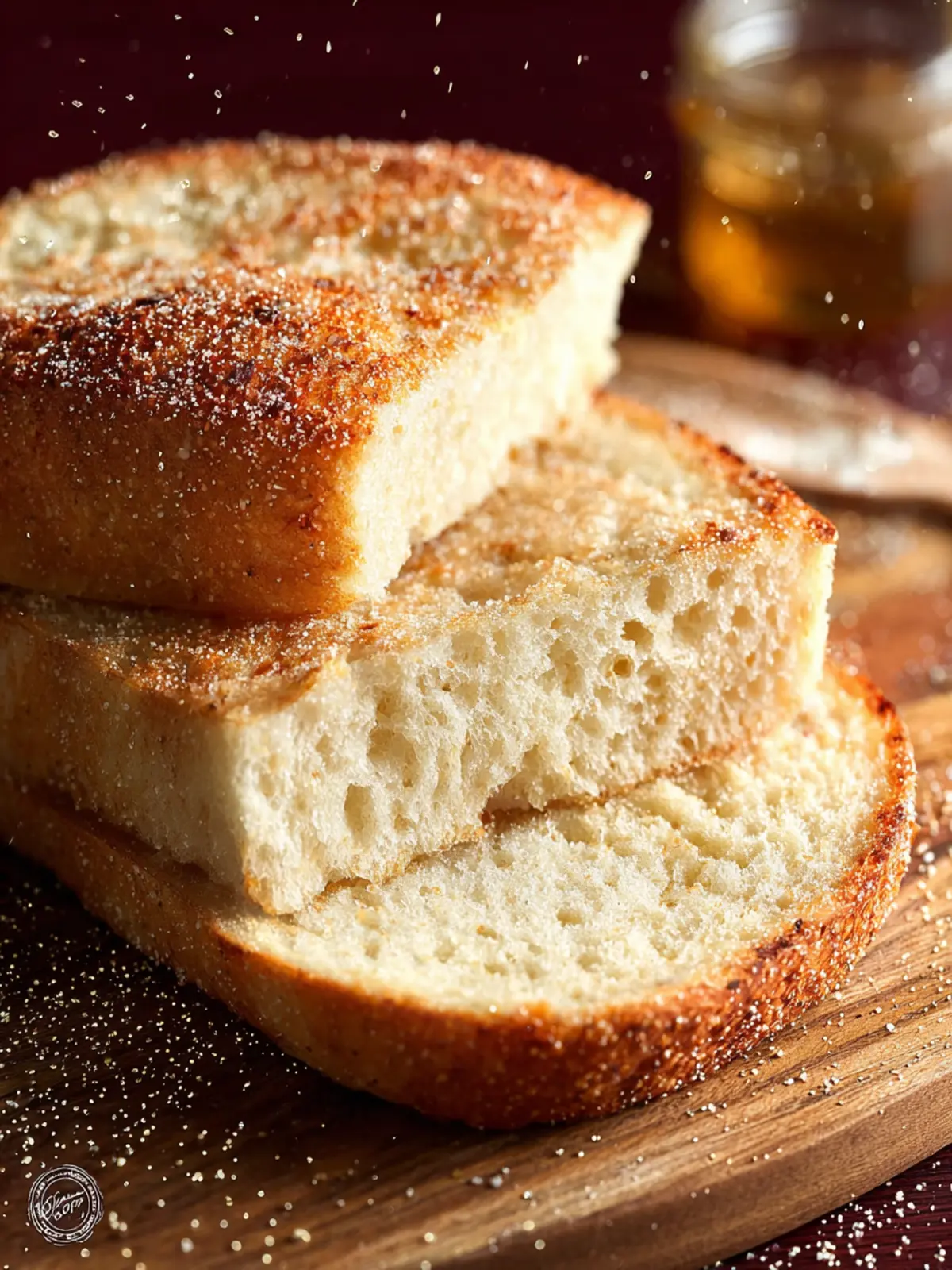
Key Ingredients for English Muffin Bread
Creating your own English muffin bread is like unlocking a treasure trove of deliciousness right in your kitchen. This versatile bread not only serves as a delightful breakfast option but also pairs wonderfully with soups and sandwiches. Let’s explore the key ingredients that make this bread a must-try!
-
Flour: I recommend using a mix of all-purpose and whole wheat flour. The all-purpose flour gives our loaf a light texture, while the whole wheat adds a depth of flavor and nutritional value.
-
Yeast: Active dry yeast is the star of the show here. It brings that classic rise and airy texture we all love in English muffin bread. Just be sure it’s fresh for the best results.
-
Milk: Using whole milk enriches the dough, yielding a tender crust and enhancing the flavor profile. If you’re in a pinch, almond or oat milk can work too!
-
Sugar: A touch of granulated sugar is not just for sweetness; it helps activate the yeast, promoting a lovely rise.
-
Salt: This ingredient is crucial. Salt enhances flavors and regulates yeast activity, ensuring your loaf is perfectly balanced.
-
Cornmeal: Sprinkling cornmeal on the baking pan gives the bread that signature texture and prevents sticking.
With these key ingredients in your pantry, you’re just a few steps away from baking up an incredible loaf of homemade English muffin bread. Ready to get started?
Why You’ll Love This English Muffin Bread
Imagine waking up on a cozy Saturday morning, sunlight pouring through the kitchen window, and the aroma of freshly baked English muffin bread filling the air. This delightful recipe captures all the golden, crispy perfection of your favorite English muffins, but in the form of a soft, easy-to-slice loaf. Let’s dive into why this bread will quickly become a staple in your home.
The Comfort of Homemade
There’s something irresistibly comforting about homemade bread. The simple act of mixing, kneading, and waiting for dough to rise connects you to the age-old tradition of baking. This English muffin bread allows you to experience that joy without the complicated steps of traditional muffin-making.
Versatility at Its Finest
What might surprise you is the versatility of this loaf. Enjoy it toasted with butter and jam, topped with avocado for a brunch treat, or even as the base for a classic eggs Benedict. You can personalize slices with your favorite toppings, making each bite a fun experience.
Perfect for Meal Prep
If you’re busy but love having fresh ingredients at hand, this bread is ideal for meal prep. Slice it up and freeze individual portions. Just pop a piece in the toaster when you’re ready for a quick breakfast or snack.
Every bite of this English muffin bread brings warmth, comfort, and flair to your ordinary meals. Get ready to fall in love!
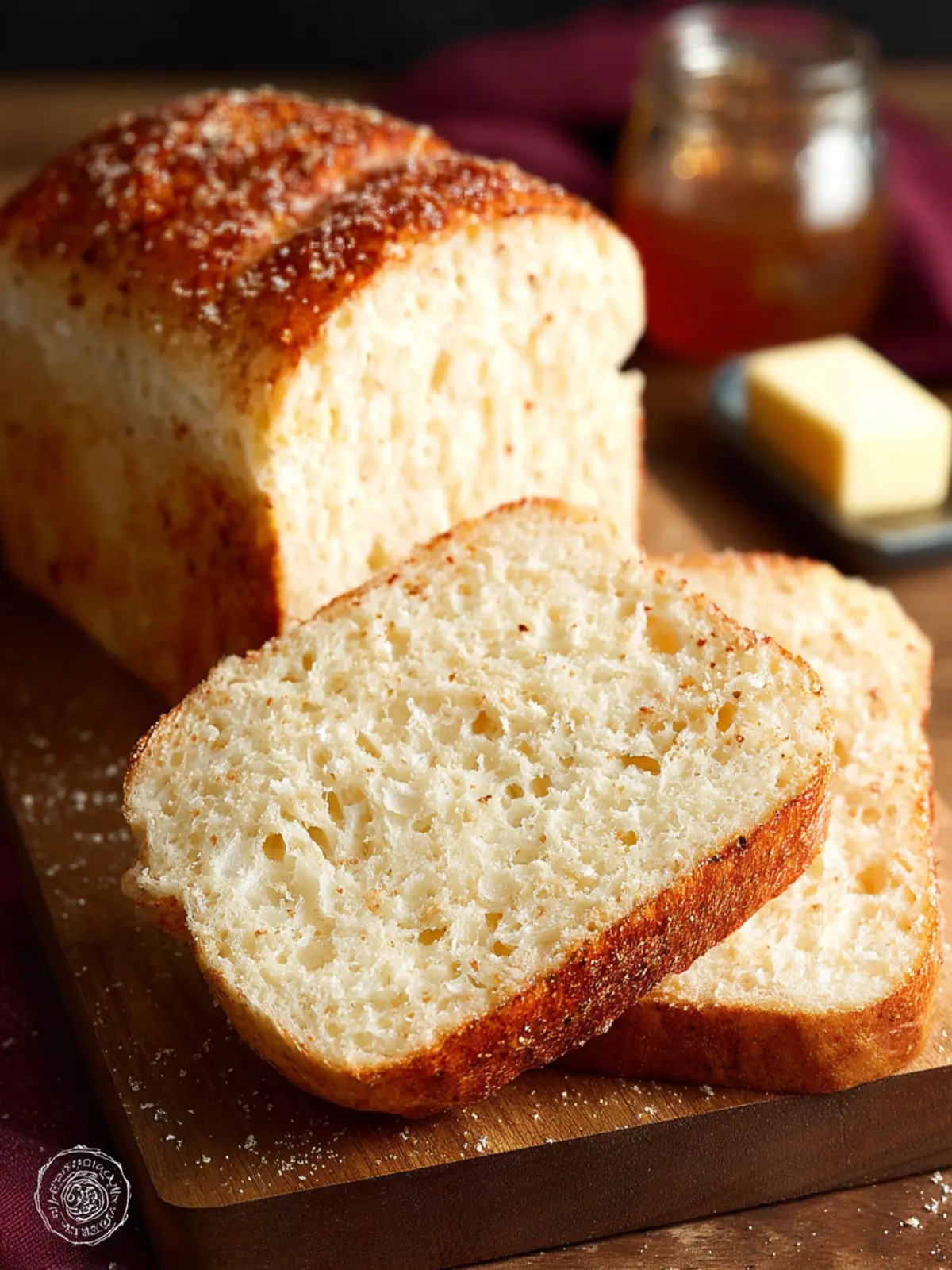
Tips for Making Perfect English Muffin Bread
Creating the ideal English muffin bread can transform your weekend breakfast into a delightful feast. As you embark on this baking journey, consider these handy tips to ensure your bread comes out perfectly each time.
Start with the Right Yeast
For a great rise, use fresh active dry yeast. It’s crucial to check the expiration date; expired yeast can lead to flat bread. Activate it in warm water with a pinch of sugar for a few minutes, letting it foam up and guarantee its potency.
Measure Accurately
Baking is all about precision. Use a kitchen scale to measure flour for consistent results. If you’re using cups, spoon the flour into your measuring cup and level it off with a knife; don’t scoop directly from the bag, as this can pack it down and lead to dense bread.
Knead with Care
Kneading should be gentle yet decisive. Aim for about 8-10 minutes until the dough is smooth and elastic. This develops the gluten, creating that beautifully chewy texture typical of English muffin bread.
Let It Rest
Don’t rush the process! Allow the dough to rest in a warm, draft-free area until it doubles in size. This could take about 1-2 hours, depending on the temperature of your kitchen.
Master the Baking
Use a preheated oven and consider placing a pan of water in the bottom to create steam. This helps achieve a crusty exterior while keeping the inside soft—just like your favorite English muffin.
By following these tips, you’ll be well on your way to enjoying homemade English muffin bread that’s sure to impress. Happy baking!
Time Details for English Muffin Bread
Creating English muffin bread doesn’t just deliver a delightful aroma to your kitchen; it also fits seamlessly into your busy life. Knowing the time details can help you plan the perfect baking session.
Preparation Time
This straightforward recipe takes around 10 to 15 minutes of hands-on time. You’ll mix your ingredients, allowing the dough to begin its magical transformation.
Baking Time
The bread bakes for approximately 30 to 40 minutes. As it rises in the oven, the kitchen fills with a warm, toasty scent that will make your mouth water.
Total Time
In total, expect a time commitment of about 1 hour and 15 minutes, which includes both prep and baking. This means you can enjoy homemade English muffin bread in less than two hours! Perfect for your weekend brunch plans or a cozy evening snack.
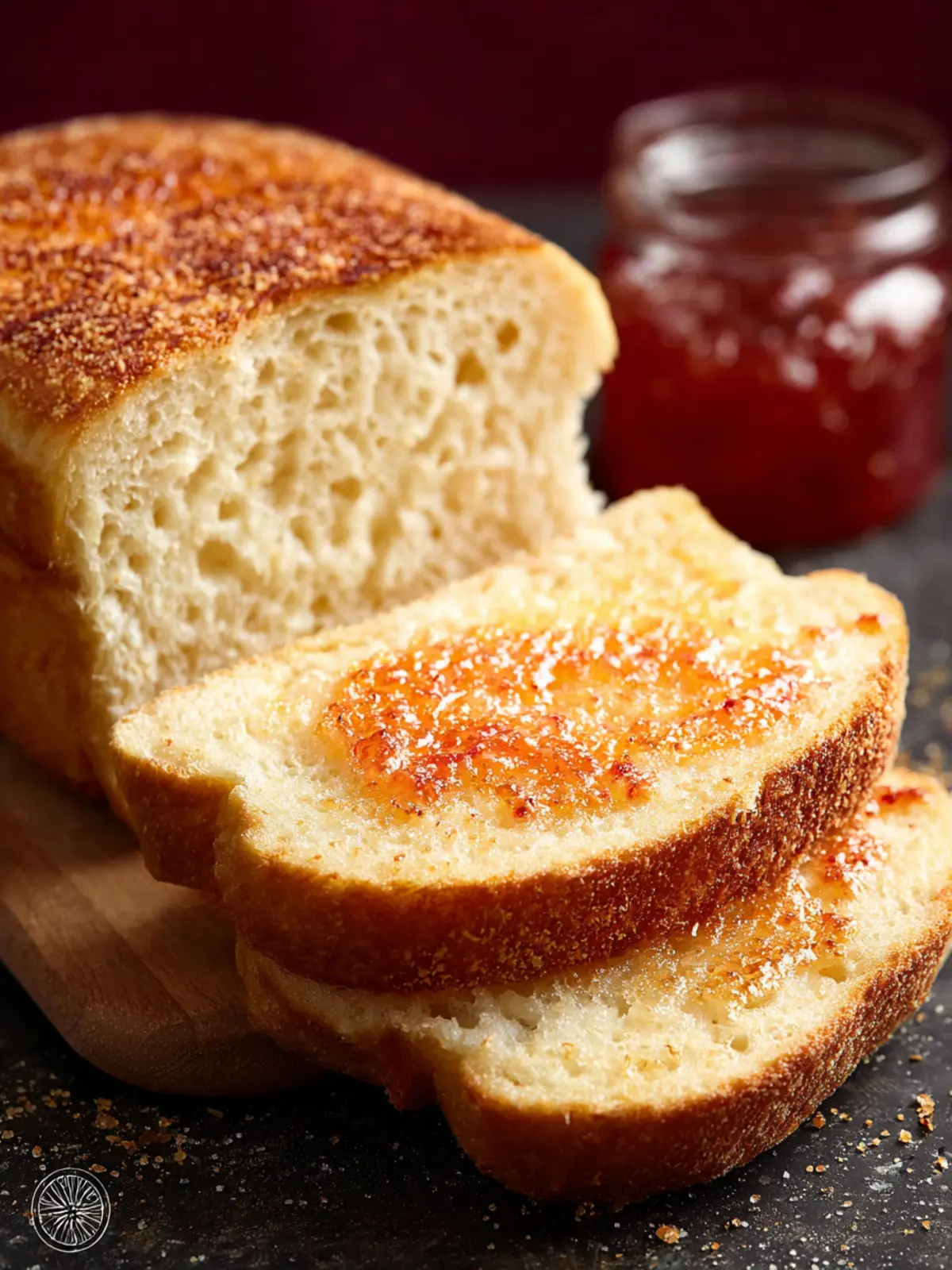
Nutritional Information for English Muffin Bread
When diving into the delightful world of english muffin bread, it’s essential to consider not just the aroma wafting from the oven but also the nutritional perks it brings to the table. This unique bread is not only versatile but also surprisingly wholesome.
Calories
Each slice of this delicious english muffin bread contains around 130 calories. This makes it a great option for breakfast or a snack without derailing your dietary goals.
Protein
With about 5 grams of protein per slice, this bread provides a satisfying boost, helping to keep your energy levels steady throughout the day. Perfect for young professionals needing a morning fuel!
Sodium
Finally, you’ll find that a slice holds approximately 200 milligrams of sodium. This moderate level makes it suitable for most diets, allowing you to enjoy your english muffin bread with toppings of your choice without worrying too much about excess sodium intake.
FAQs about English Muffin Bread
Creating your own English muffin bread not only elevates breakfast, but it also transforms your kitchen into a cozy haven filled with warm, toasty aromas. This delightful bread, characterized by its nooks and crannies, is a favorite for a reason. Here are some common questions and answers to help guide you through making this delicious treat.
What’s the difference between English muffin bread and regular bread?
While both English muffin bread and regular bread are made from similar ingredients, the texture is where they differ. English muffin bread is typically denser and is baked in a loaf pan, allowing it to maintain its unique nooks and crannies. This makes it perfect for toasting, as the edges crisp up beautifully while the centers remain soft. Regular bread, on the other hand, tends to have a lighter, airier structure and is usually sliced for sandwiches.
Can I adapt this recipe for gluten-free?
Absolutely! You can make a gluten-free version of English muffin bread using a blend of gluten-free all-purpose flour. Look for a blend that includes xanthan gum, or add a teaspoon of it separately to help mimic the elasticity that gluten provides. Be aware that the texture may vary slightly, but you’ll still end up with a deliciously toasty result.
How do I know when my bread is baked properly?
A perfectly baked English muffin bread should have a golden-brown crust. To test for doneness, tap the bottom of the loaf; it should sound hollow. Additionally, an instant-read thermometer inserted into the center should read at least 200°F. If it hasn’t reached that temperature, give it a few more minutes in the oven. Trust your senses, and you’ll enjoy a loaf that’s both beautiful and tasty!
Conclusion on English Muffin Bread
In crafting this delightful English muffin bread, you’ll not only enjoy the process but also the splendid aroma that fills your kitchen while it’s baking. This bread is a wonderful option for breakfast or brunch and makes for delicious sandwiches too. Whether you choose to toast it to achieve that crunchy exterior or enjoy it warm and fresh from the oven, this versatile recipe is bound to impress.
Don’t be surprised if this English muffin bread becomes a staple in your home, perfect for sharing with family and friends. Happy baking!
Print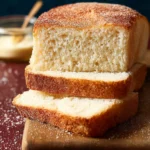
Homemade Bread
- Total Time: 1 hour 55 minutes
- Yield: 1 loaf 1x
- Diet: Vegetarian
Description
Learn how to make a delicious homemade bread with this simple recipe.
Ingredients
Scale
- ¾ cup whole milk (heated to 110°F (43°C))
- ½ cup water (heated to 110°F (43°C))
- 1 tablespoon unsalted butter (melted)
- 1 tablespoon honey (or granulated sugar)
- 1½ teaspoons table salt
- 3 cups all-purpose flour (or bread flour for a sturdier loaf)
- ⅛ teaspoon baking soda
- 1 teaspoon instant yeast
- 2 tablespoons cornmeal (for oven version only)
Instructions
- In a large mixing bowl, whisk together the flour, baking soda, yeast, and salt.
- Add the warm milk, warm water, honey, and melted butter.
- Mix with a Danish dough whisk or wooden spoon for 3 minutes, until the dough becomes slightly smooth but remains shaggy. Alternatively, mix with a stand mixer fitted with a dough hook on high speed for 2 minutes.
- Grease an 8 × 4 inch (22 × 11 cm) loaf pan and sprinkle the bottom and sides with 2 tablespoons of the cornmeal.
- Transfer the dough into the prepared pan and smooth the top if needed. Loosely cover with greased plastic wrap.
- Let the dough rise in a warm spot for 1 hour or until the dough reaches the top edge of the pan.
- Preheat the oven to 400°F (200°C). Bake the loaf for 25 minutes or until golden brown and the internal temperature reaches 190°F (88°C).
- Remove from the oven and let cool in the pan for 10 minutes. Then transfer to a wire rack to cool completely before slicing.
- Omit the cornmeal.
- To the bread pan, add the following ingredients in this order: warm milk, warm water, melted butter, honey, salt, flour, baking soda, and yeast.
- Insert the bread pan into the machine and make sure it is secured. Close the lid and plug in the machine.
- Select the basic bread setting, loaf size (small, or 1 lb), and preferred crust color (light, medium, or dark). Start the cycle.
- If you are nearby after the kneading stage and before the dough begins to rise, open the lid and smooth the top of the dough with a damp spatula or clean fingers. This helps avoid an uneven or lopsided loaf, which can happen if the dough is stuck to one side of the pan.
- Once the baking cycle ends, unplug the machine. Wearing kitchen mittens, carefully remove the bread pan and allow it to cool for 10 minutes.
- Turn the loaf out onto a wire rack and let it cool completely before slicing. If the paddle remains in the loaf, gently remove it.
Notes
- Make sure all liquids are at the correct temperature to activate the yeast.
- Adjust the flour amount based on humidity.
- Prep Time: 30 minutes
- Cook Time: 25 minutes
- Category: Baking
- Method: Baking
- Cuisine: American
Nutrition
- Serving Size: 1 slice
- Calories: 120
- Sugar: 1g
- Sodium: 200mg
- Fat: 3g
- Saturated Fat: 1g
- Unsaturated Fat: 1g
- Trans Fat: 0g
- Carbohydrates: 22g
- Fiber: 1g
- Protein: 4g
- Cholesterol: 5mg