Follow Me On Social Media!

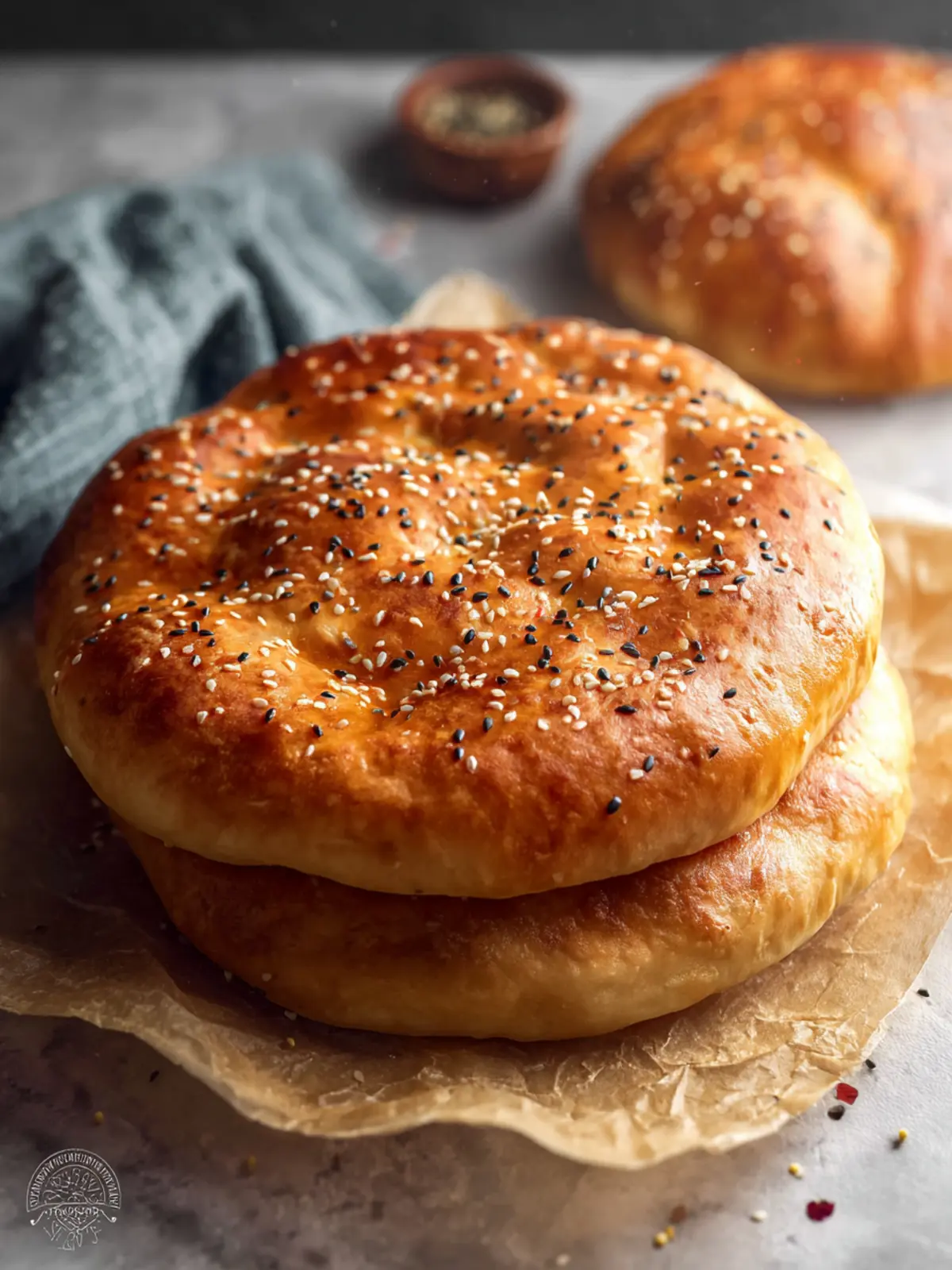
Turkish Ramadan Bread: Irresistibly Fluffy and Homemade Goodness

Introduction to Turkish Ramadan Bread
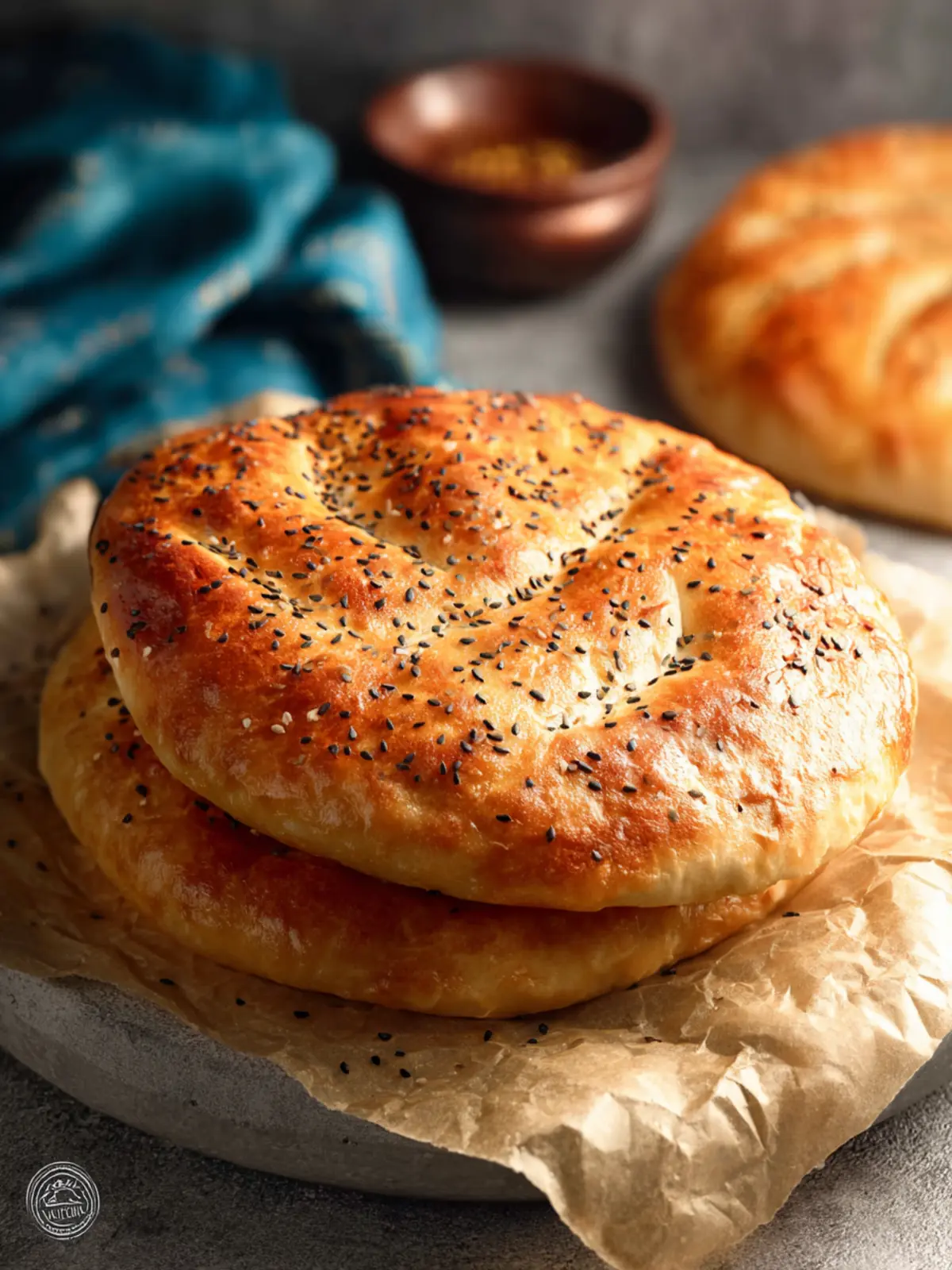
Turkish Ramadan Bread, or Pide, is more than just a loaf—it’s a festive staple that evokes warm memories of family gatherings and shared meals during the holy month of Ramadan. Each crispy, golden-brown loaf carries with it a rich history and a personal touch from the baker, often prepared with love and care to mark the end of a day of fasting. The delightful aroma that fills the home as this bread bakes is a signal that something wonderful is about to grace the dinner table.
What makes Turkish Ramadan Bread truly special is how it embodies both tradition and togetherness. Throughout Turkey, families gather to break their fast with this unique bread, often complementing it with classic dishes like kebabs or köfte, and fresh salads. Its slightly chewy texture and subtly tangy flavor create an incredible canvas for any meal, while variations in toppings, like sesame and nigella seeds, introduce a delightful crunch and added depth.
The custom of baking Pide during Ramadan isn’t just about satisfying hunger; it’s intertwined with cultural significance. Many people have their own unique recipes and techniques, passed down through generations. As you embark on your own culinary journey, you’ll find that making this bread invites you into a global community observing the same significant practices during the holy month.
By preparing Turkish Ramadan Bread, you’re not just creating a delicious dish—you’re sharing in a collective experience that brings friends and family together. As you knead the dough and watch it rise, think of it as more than just a recipe; it’s a connection to your roots, to the traditions that shaped you, and to the joy and love shared around the dinner table. Who knew that something as simple as bread could weave such intricate stories together during one of the most sacred times of the year?
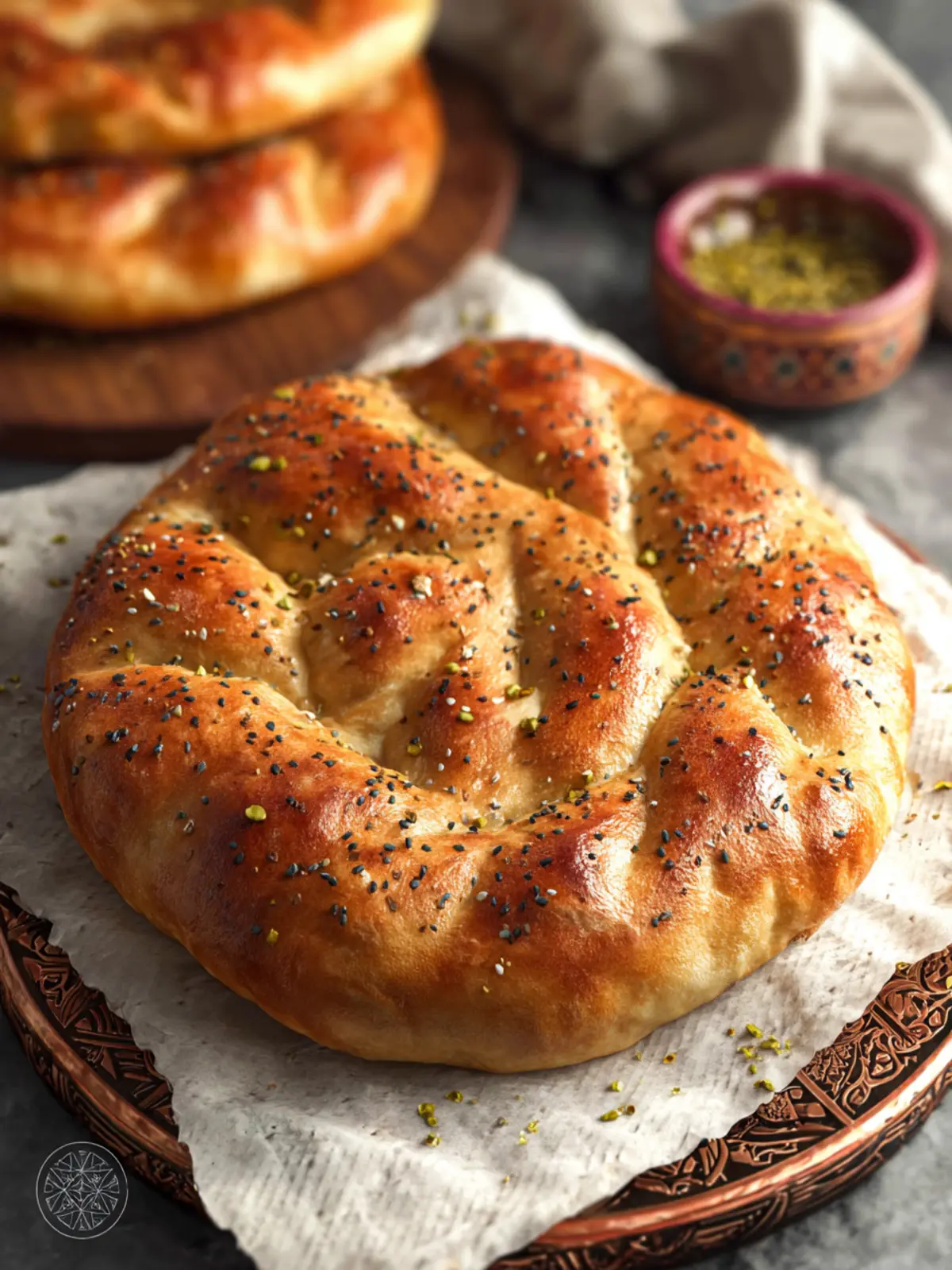
Key Ingredients for Turkish Ramadan Bread
Creating traditional Turkish Ramadan Bread is a wonderful way to embrace the spirit of community and togetherness that defines the holy month. As you prepare this exquisite bread, let’s delve into the key ingredients that ensure each loaf is a memorable part of your iftar feast.
Flour
The foundation of any great bread is all-purpose flour, which provides the perfect structure and delightful chew. If you’re aiming for a heartier version, feel free to substitute with bread flour for added strength.
Yeast
Using instant yeast is vital for your Turkish Ramadan Bread; it allows the dough to rise quickly and evenly, resulting in that irresistibly fluffy interior we all love.
Olive Oil
One of the secrets to a beautifully golden crust lies in extra virgin olive oil. It adds depth of flavor and ensures your bread has a stunning finish. If you’re in the mood for a different taste, melted butter can make a lovely substitute.
Sesame and Nigella Seeds
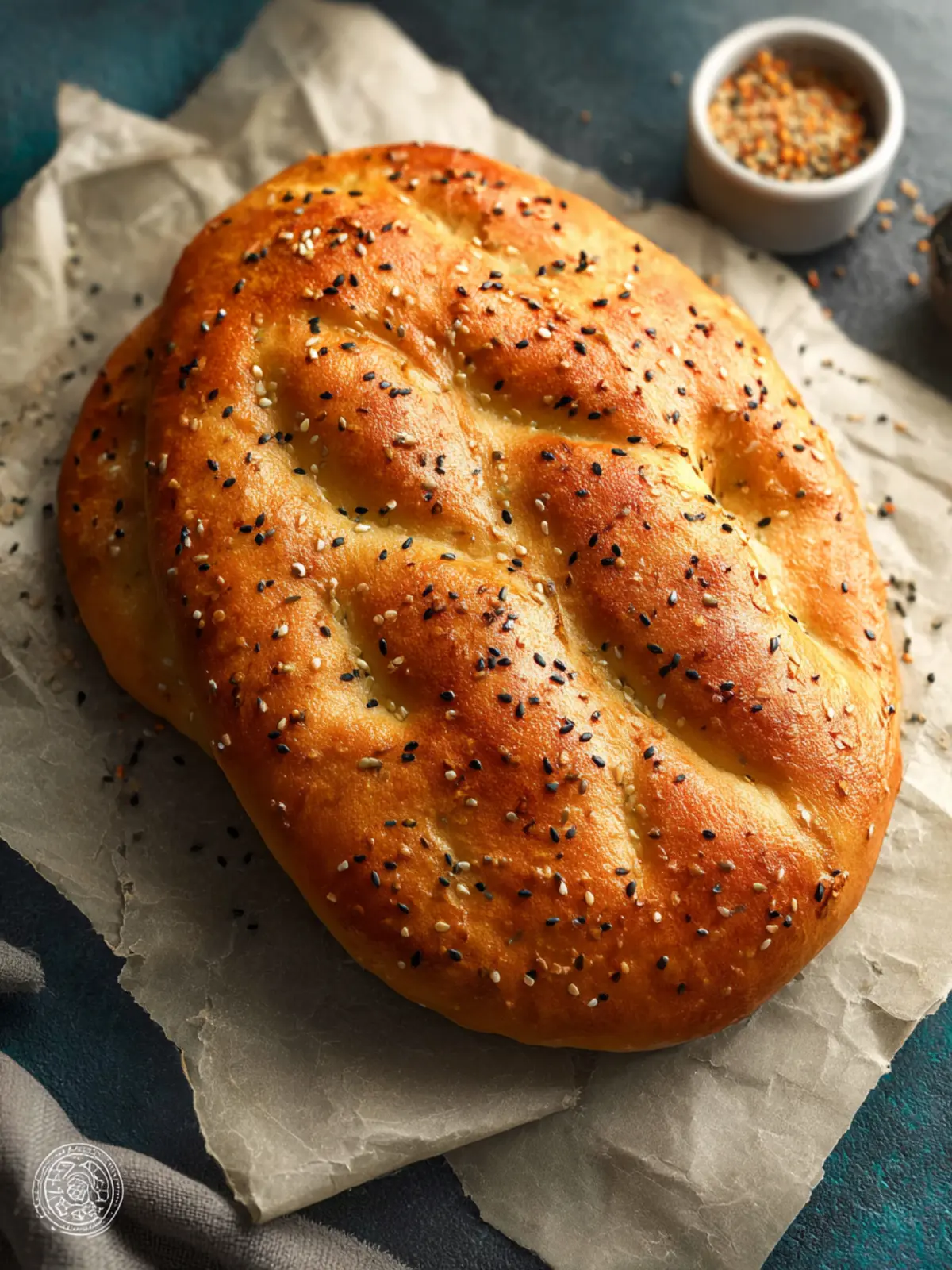
Top your bread with sesame and nigella seeds for an aromatic flavor and wonderful crunch. These seeds not only enhance the taste but also elevate the visual appeal of your bread, making it truly irresistible.
With these ingredients, your Turkish Ramadan Bread will surely become a cherished staple in your home!
Why You’ll Love This Recipe
Turkish Ramadan Bread is more than just a delightful treat; it’s a culinary tradition that brings families together during the sacred month of Ramadan. Imagine the joyful atmosphere in your kitchen as the warm, yeasty aroma fills the air, evoking memories of shared meals and laughter. This recipe allows you to recreate that comforting experience in your home.
You’ll appreciate how accessible and straightforward the ingredients are. With a few simple staples, you can create a bread that elevates your dining experience:
- Nourishing Ingredients: Flour, yeast, and salt come together to form a dough that’s both simple and wholesome. The addition of yogurt gives it a unique tang that enhances its flavor profile.
- Customizable Toppings: While the classic version is delicious on its own, you can let your creativity shine! Consider adding sesame seeds or black cumin for additional crunch and flavor.
- Perfect for Sharing: This bread is designed to be broken and shared, making it a perfect centerpiece for your iftar table. It’s not just a recipe; it’s an invitation to connect with family and friends.
By the end of the process, you’ll not only have Turkish Ramadan Bread that’s warm and inviting but also a heartwarming story to share around the table.
Cooking Tips for Perfect Turkish Ramadan Bread
Creating an enticing loaf of Turkish Ramadan Bread is a delightful culinary journey that combines tradition with creativity. This bread, typically enjoyed during the holy month of Ramadan, has a rich texture and flavor that can elevate any meal. Here’s how to ensure your homemade loaf turns out perfectly every time.
Use Quality Ingredients
- Flour: Opt for high-quality bread flour for its protein content. This ensures a chewier texture and better rise. If you prefer a lighter option, all-purpose flour can also work, although it may slightly alter the texture.
- Yeast: Fresh active dry yeast provides the best rise. Always check its expiration date for optimal performance; expired yeast can lead to disappointing results.
- Warm Water: The water used to activate the yeast should be warm, around 110°F (43°C). Too hot can kill the yeast, while too cold can slow down fermentation.
Kneading and Rising
- Kneading: Spend time kneading the dough until it’s smooth and elastic. This step develops the gluten, which is key for achieving that lovely texture. A good rule of thumb is to knead for about 10 minutes by hand or 5-7 minutes in a stand mixer.
- Rising: Allow your dough to rise in a warm, draft-free space. A good tip is to place it in an oven that’s been turned off but warmed slightly. This helps to create just the right climate for the yeast to work its magic.
Baking Tips
- Steam: To get that classic crusty exterior, add steam in the first few minutes of baking. This could be achieved by placing a shallow pan with water at the bottom of your oven—or, for an even more traditional touch, spritzing water inside the oven just after placing the bread in.
- Cooling: Be patient when cooling your Turkish Ramadan Bread. Let it cool on a wire rack to avoid a soggy crust. This helps retain its delightful texture while enhancing the flavor.
With these tips, making Turkish Ramadan Bread can be an enjoyable and rewarding experience. Enjoy the process, and savor each bite of your homemade goodness!
Time Breakdown for Turkish Ramadan Bread
Making Turkish Ramadan Bread is not just about the ingredients; it’s an experience, a journey that unfolds in several delightful stages. Whether you’re preparing for iftar or just want to savor this bread, knowing the time commitments helps you plan your day better.
Preparation Time
Getting started on your Turkish Ramadan Bread takes about 15 minutes. This includes gathering your ingredients, mixing the dough, and shaping it into beautiful rounds.
Rising Time
Patience is key here! Allow your dough to rise for approximately 1 to 1.5 hours. This gives the yeast time to work its magic, creating that perfect fluffiness.
Baking Time
Once risen, the baking process takes about 15-20 minutes. The anticipation builds as your bread turns golden and fills your kitchen with a warm, inviting aroma.
Total Time
In total, you’re looking at around 1.5 to 2 hours from start to finish. This includes prep, rise, and bake time. Perfect for planning a special meal with family or friends!
Nutritional Facts for Turkish Ramadan Bread
Exploring the world of Turkish Ramadan Bread not only leads you to delicious flavors but also offers insights into its nutritional composition. As you prepare to share this delightful bread with your loved ones, understanding its nutritional facts can enhance your appreciation of every bite.
Calories
One serving of Turkish Ramadan Bread typically contains around 200-250 calories. This makes it a satisfying option for breaking your fast, providing energy without weighing you down.
Carbohydrates
The bread is rich in carbohydrates, with approximately 40-50 grams per serving. These carbs are primarily derived from flour, serving as a perfect source of energy to replenish your body after a long day of fasting.
Protein
When enjoying Turkish Ramadan Bread, you’ll also get a modest protein content. Each serving offers about 6-8 grams of protein, contributing to muscle maintenance and satiety during your meals.
Fat
This bread is low in fat, generally containing 2-4 grams per serving. It’s a great option if you’re looking for a light accompaniment to your meals without excessive calories from fats.
Embrace the wholesome goodness of Turkish Ramadan Bread, and enjoy not just its taste but the nutritional benefits it brings to your festive celebrations!
FAQs about Turkish Ramadan Bread
When it comes to Turkish Ramadan bread, we all have questions. This traditional delight holds a special place at the iftar table, bringing families together during the holy month. Here are some of the most frequently asked questions about this beloved bread.
Can I make this bread ahead of time?
Absolutely! You can prepare your Turkish Ramadan bread dough in advance. Once it’s kneaded, let it rise as directed, then shape it and place it on a baking sheet. Cover it with a damp cloth and refrigerate. When you’re ready to bake, simply take it out, let it come to room temperature, and proceed with the baking instructions. This is a real time-saver for busy evenings!
How should I store Turkish Ramadan Bread?
To keep your Turkish Ramadan bread fresh, store it at room temperature in a bread bag or wrapped in a clean kitchen towel. This helps maintain its delightful softness. Avoid plastic wrap as it can make the bread soggy. If you notice it getting stale, just pop it in the oven for a few minutes to rejuvenate it.
Can I freeze Turkish Ramadan Bread?
Yes, freezing your Turkish Ramadan bread is a great option if you want to enjoy it later! Allow the bread to cool completely, then wrap it tightly in plastic wrap and aluminum foil before placing it in the freezer. It can last for up to three months. To enjoy, simply thaw it overnight in the fridge and reheat it in the oven for that fresh-baked taste.
With these tips in mind, you can make the most of your Turkish Ramadan bread, whether you’re enjoying it fresh or saving some for later!
Conclusion on Turkish Ramadan Bread
Creating Turkish Ramadan Bread is more than just baking; it’s about sharing traditions and savoring meaningful moments. This delightful bread, often enjoyed during the holy month of Ramadan, brings families together and creates a sense of community. Whether paired with a warm meal at iftar or savored with tea, its unique flavor and soft texture are truly comforting.
As you embark on this baking journey, remember that the joy comes not just from the delicious aroma that fills your kitchen, but also from the love and care you infuse into each loaf. Enjoy every slice, and may it bless your gatherings with warmth and unity.
Print
Pide Bread
- Total Time: 1 hour 40 minutes
- Yield: 2 loaves 1x
- Diet: Vegetarian
Description
Delicious homemade pide bread, perfect for serving with your favorite dishes.
Ingredients
Scale
- 3 cups all-purpose flour
- 1 ½ teaspoons salt
- 1 tablespoon granulated sugar
- 1 teaspoon instant yeast
- 1 cup warm milk
- ¼ cup extra virgin olive oil (or melted butter/ghee or vegetable oil)
- 1 egg yolk
- 1 tablespoon milk (or heavy cream or yogurt)
- 1 teaspoon toasted sesame seeds
- 1 teaspoon nigella seeds
Instructions
- In a large bowl, combine the flour, salt, sugar, and instant yeast.
- Add the warm milk and olive oil to the dry ingredients.
- Knead the mixture until a soft, slightly sticky dough forms, about 8-10 minutes by hand or 5 minutes with a stand mixer.
- Cover the bowl with a damp cloth or plastic wrap and let the dough rise in a warm place for about 1 hour, or until doubled in size.
- Punch down the risen dough and divide it into two equal portions. Shape each portion into a 6 or 7 inch round loaf.
- Place the shaped loaves on a parchment-lined baking tray. Cover them loosely with plastic wrap or a damp cloth and let them rest for 15–20 minutes.
- Preheat your oven to 200°C (400°F) or 180°C for a fan oven.
- In a small bowl, mix the egg yolk with the milk to create an egg wash.
- Use your fingers to press dimples into the surface of each loaf to create a pattern. Brush the loaves generously with the egg wash.
- Sprinkle the tops with toasted sesame and nigella seeds.
- Transfer the tray to the oven and bake for 18-20 minutes, or until the pides are golden brown and cooked through.
- Remove the baked pides from the oven and let them cool slightly on a wire rack before serving.
Notes
- For extra flavor, you can add herbs or spices to the dough.
- Prep Time: 20 minutes
- Cook Time: 20 minutes
- Category: Bread
- Method: Baking
- Cuisine: Turkish
Nutrition
- Serving Size: 1 slice
- Sugar: 0.5g
- Sodium: 300mg
- Fat: 4g
- Saturated Fat: 0.5g
- Unsaturated Fat: 3.5g
- Trans Fat: 0g
- Carbohydrates: 38g
- Fiber: 1g
- Protein: 5g
- Cholesterol: 20mg