Follow Me On Social Media!


Korean Marinated Eggs: Easy, Flavor-Packed Snack You’ll Love

Introduction to Korean Marinated Eggs
Korean marinated eggs bring a unique twist to breakfast tables and savoring moments alike, captivating anyone lucky enough to delve into their delightful texture and complex flavors. Imagine dipping a soft-boiled egg into a savory marinade, enhancing its natural richness in an explosion of umami that dances on your taste buds. It’s a simple yet extraordinary dish that embodies the beauty of Korean cuisine, where each ingredient plays a crucial role in creating a harmonious experience.
What makes Korean marinated eggs so special?
At the heart of Korean marinated eggs is the harmonious blend of flavors, creating a dish that feels both comforting and adventurous. The process typically involves soft-boiling eggs, which yields a creamy yolk that melts in your mouth. But it’s the marinade—a rich concoction of soy sauce, sesame oil, garlic, and sometimes even a hint of gochugaru (Korean chili flakes)—that elevates this dish to another level. This marinade not only seasons the eggs but infuses them with a distinctive taste profile that balances savory and slightly sweet notes.
The beauty of these eggs lies in their versatility. Serve them atop a bowl of rice, as a protein-rich snack, or even as a side dish to complement your meals. This simplicity in preparation—just boil and soak—allows you to create a gourmet dish with minimal effort. Many Korean households enjoy these eggs regularly, often making them a staple in meal prepping due to their irresistible flavor and protein-packed satisfaction.
Cooking these eggs isn’t just a culinary endeavor but an invitation to explore a bit of Korean culture. The origins of marinated eggs trace back to traditional practices where preserving food was essential. Today, they’re celebrated not just for their taste but for their role in fostering connections—whether at lively family gatherings or casual lunches with friends.
In essence, Korean marinated eggs capture the spirit of togetherness and the joy of sharing delicious food. They remind us that sometimes, the simplest ingredients can lead to the most profound experiences, encouraging us to appreciate both the flavors and the moments we share over a meal.

Key Ingredients for Korean Marinated Eggs
Korean marinated eggs are a delightful blend of flavor and tradition, often enjoyed as a side dish or a topping for rice. Preparing this dish involves a few key ingredients that work in harmony to create that signature taste.
-
Eggs: Start with large eggs for this recipe. Fresh eggs yield a more flavorful result and perfect texture. Soft-boiled eggs are typically used, with a slightly runny yolk that soaks up the marinade beautifully.
-
Soy Sauce: A good quality soy sauce provides the umami base for the marinade. The saltiness and depth of flavor are crucial for infusing the eggs.
-
Rice Vinegar: This tangy ingredient balances the saltiness of the soy sauce. I recommend using unseasoned rice vinegar for a delicate flavor.
-
Mirin: Adding mirin introduces a hint of sweetness to the marinade, which enhances the overall flavor profile. It’s worth finding if you can!
-
Garlic: Using fresh garlic in your marinade helps to add an aromatic layer that elevates the dish.
With these simple yet impactful ingredients, your Korean marinated eggs will be irresistibly delicious and sure to impress!
Why You’ll Love This Recipe
The allure of Korean Marinated Eggs lies not just in their beautiful presentation but in their deep, rich flavors that dance harmoniously with every bite. Each egg is soaked in a savory marinade that transforms the humble boiled egg into a delicacy worthy of your dinner table or a casual snack. Just envision them as the flavorful centerpiece of your next meal—what’s not to adore?
Flavor Bombs Await
The marinade combines soy sauce, sesame oil, and a hint of sweetness, resulting in a balanced taste that’s umami-rich and deliciously addictive. Not only are these eggs bursting with flavor, but they also provide a hearty dose of protein, making them a nutritious addition to any dish.
Versatility at Its Finest
Korean Marinated Eggs are incredibly versatile. Serve them atop a bed of rice, alongside a vibrant salad, or as a delightful addition to a charcuterie board. You can customize the marinade to suit your palate, adding garlic, chilies, or green onions for an extra kick.
Quick and Easy Preparation
If you’re a young professional always on the go, you’ll appreciate how straightforward this recipe is. With just a few simple ingredients and minimal prep time, these eggs can easily fit into your busy lifestyle while delivering a delightful treat that impresses!
This recipe is sure to become a staple in your kitchen, offering both nutrition and a taste of homey Korean comfort. So roll up your sleeves and give these Korean Marinated Eggs a try!
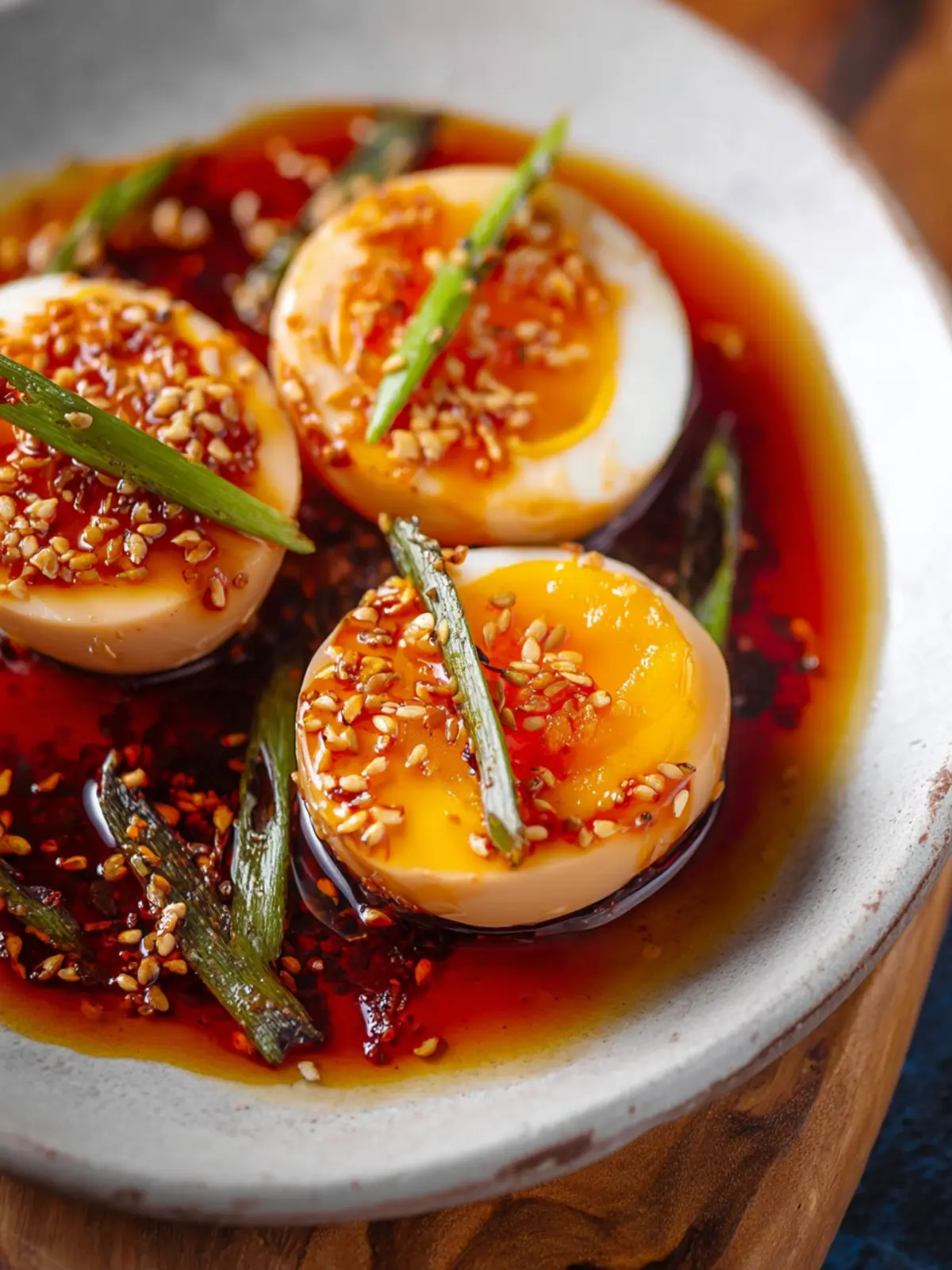
Variations of Korean Marinated Eggs
Korean marinated eggs are not just a delightful dish; they can also be transformed into a variety of flavors that suit your palate. You might think of them as versatile little gems that can take on numerous identities. Exploring these Korean marinated eggs variations can lead to exciting taste experiences in your kitchen.
Spice it Up
For those who enjoy a kick, consider adding gochugaru (Korean red pepper flakes) to the marinade. The heat from the red pepper flakes perfectly complements the soy sauce’s umami, adding depth to your eggs. You can control the spice level, making it as mild or fiery as you like!
Sweet and Savory Twist
If you prefer a sweeter touch, why not incorporate a dash of honey or brown sugar into your marinade? This version not only enhances the flavor but also balances the saltiness of the soy sauce, delivering a rich, savory-sweet experience.
Herb-Infused Delight
Feeling adventurous? Try adding fresh herbs such as dill or chives to the marinade. These fragrant herbs will create a refreshing twist that elevates the profile of your Korean marinated eggs.
Experiment with Acidity
Lastly, add a splash of rice vinegar for a tangy bite. This acidity will brighten up the dish, making it a perfect complement for salads or rice bowls.
Each variation allows you to explore different flavor dimensions while creating delicious and unique Korean marinated eggs to serve. Enjoy the process of experimenting!
Cooking Tips and Notes for Korean Marinated Eggs
When it comes to Korean marinated eggs, the magic truly lies in the marination process, which is simple yet transformative. Here are some tips to elevate your dish and ensure you get the best flavor every time:
Choose the Right Eggs
Using fresh, high-quality eggs is essential for the best texture and taste. Organic or farm-fresh eggs often have richer flavors and a vibrant yolk, perfect for soaking up the marinade.
Perfecting the Boil
To achieve that ideal consistency, aim for a soft boil. Boil for about 7-8 minutes for a slightly runny yolk, or 9-10 minutes for firmer yolks. Adjusting the boiling time can make all the difference.
Marination Time Matters
For the best results, allow your eggs to marinate in the soy sauce mixture for at least four hours, but overnight yields even better flavor infusion. Don’t rush this step; the magic happens over time!
Storing Leftovers
If you have leftovers, store them in the marinade. This not only keeps them flavorful but also helps them stay fresh for about a week in the refrigerator.
Pairing Suggestions
Korean marinated eggs make a fantastic addition to rice bowls, salads, or can be enjoyed as a snack on their own. Don’t hesitate to get creative with your pairings!
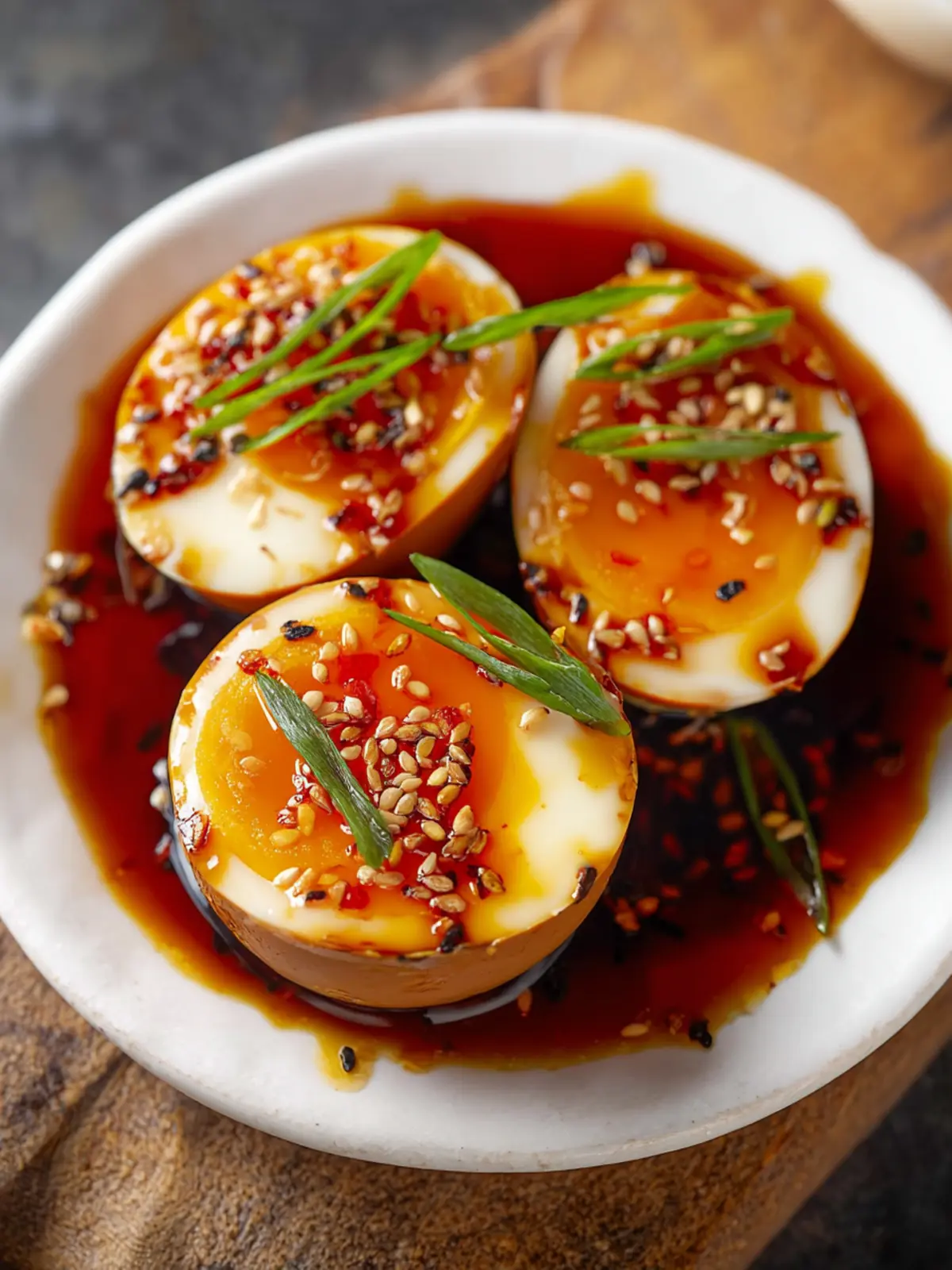
Serving Suggestions for Korean Marinated Eggs
Korean marinated eggs are a delightful addition to any meal, packing a rich umami flavor that’s hard to resist. These gorgeous, glossy eggs not only taste fantastic but also elevate the appearance of your dishes. So, how can you serve these Korean marinated eggs in a way that showcases their versatility?
Breakfast Boost
Start your day with a nutritious breakfast by slicing the marinated eggs over a bed of warm rice, paired with a drizzle of sesame oil and a sprinkle of chopped green onions. You can also enjoy them with toast — just spread a thin layer of cream cheese, add the sliced eggs, and finish with a dash of gochugaru for a perfect blend of flavors to kick off your morning.
Lunch Inspiration
Consider adding these marinated gems to a rice bowl or salad for lunch. Their savory taste complements sautéed vegetables, bulgogi, or even grilled chicken. For an easy yet filling meal, toss them into a noodle salad with a sesame dressing, adding texture and substance.
Appetizer Sensation
If you’re hosting a gathering, serve your Korean marinated eggs as part of a mezze platter. Combine them with pickled radishes, sliced cucumbers, and some crunchy seaweed snacks. This colorful spread will surely impress your guests and spark delightful conversation around the table.
Incorporating these ideas not only highlights the eggs’ exquisite flavor but turns a simple dish into a culinary experience.
Time Breakdown for Korean Marinated Eggs
Creating Korean marinated eggs is a rewarding culinary adventure that requires patience and a bit of planning. Understanding the time commitment can help you fit this delicious treat into your busy schedule.
Preparation Time
The preparation for Korean marinated eggs takes about 15 minutes. You’ll need to boil the eggs, let them cool, and assemble your marinade ingredients. This part is quick and allows you to enjoy the anticipation of your flavorful creation!
Marinating Time
Once prepared, the eggs need to marinate for at least 6 hours. However, for the best flavor, I recommend leaving them overnight. This allows the eggs to fully absorb the savory and slightly sweet marinade, resulting in an irresistible taste.
Total Time
In total, you’ll spend around 6 hours and 15 minutes to create your Korean marinated eggs, not counting any time spent waiting. This includes the preparation and marinating times, making them a great make-ahead option for meals or snacks!
Nutritional Facts for Korean Marinated Eggs
Korean Marinated Eggs are not only a delicious snack but also packed with essential nutrients that can fit well into a balanced diet. These marinated delights make a perfect addition to any meal or even as a standalone treat, delivering flavor with nutritional value.
Calories
Each Korean Marinated Egg contains approximately 70 calories, making them a satisfying yet light option for a snack or side dish. Enjoying these eggs can help you stay energized without compromising your calorie intake.
Protein
A defining characteristic of Korean Marinated Eggs is their high protein content, with each egg providing around 6 grams of protein. This is particularly beneficial for muscle repair and maintenance, making them an excellent choice for active individuals.
Sodium
While the marination process adds flavor, it also contributes to the sodium content, which can be around 250 mg per egg. It’s wise to enjoy them in moderation, ensuring that you keep your overall sodium intake in check while appreciating their savory punch.
FAQs about Korean Marinated Eggs
Exploring the world of Korean marinated eggs can lead to delightful culinary discoveries. These beautifully flavored eggs not only elevate your meals but also stir up questions for kitchen adventurers eager to replicate this quintessential dish at home.
How long do Korean marinated eggs last?
When properly stored in an airtight container in the fridge, your Korean marinated eggs can last for about one week. However, the flavor tends to deepen over time, so they often taste even better a couple of days after marinating. Just be sure to keep an eye on them; if they start to exhibit any unusual smells or discoloration, it’s best to discard them for safety.
Can I adjust the marinade to my taste?
Absolutely! One of the joys of making Korean marinated eggs is customizing the marinade to suit your palate. If you prefer a sweeter profile, consider adding a touch more sugar or even a dash of honey. For those who enjoy a little heat, a sprinkle of chili flakes or a few drops of hot sauce can add the perfect kick. Feel free to experiment with different combinations of soy sauce, mirin, or sesame oil—your taste buds are the limit!
What dishes pair well with Korean marinated eggs?
Korean marinated eggs are incredibly versatile. They complement a variety of dishes, such as rice bowls, bibimbap, or even a simple salad. You can also chop them up and mix them into a sandwich or serve them as a savory topping for ramen. Their rich flavor makes them a great sidekick to any meal that craves a little extra depth.
Embrace these marinated eggs as a delicious addition to your culinary repertoire!
Conclusion on Korean Marinated Eggs
In summary, preparing Korean marinated eggs is both a rewarding and simple culinary adventure. These delightful, savory bites not only burst with flavor but also offer an enriching taste of Korean cuisine right from your kitchen. They’re perfect as a snack, a side dish, or even a topping for rice. Plus, their versatility means you can adjust the marinade to suit your taste preferences. Whether you’re sharing them with friends at a gathering or enjoying them alone, Korean marinated eggs bring a unique satisfaction that’s hard to resist. So why not add this delicious recipe to your meal rotation today?
Print
Marinated Eggs
- Total Time: 24 hours 12 minutes
- Yield: 4 servings 1x
- Diet: Gluten-free
Description
Deliciously marinated eggs that are perfect for eating with rice, in salads, or on toast.
Ingredients
Scale
- 4 eggs
- 1/3 cup soy sauce
- 1/3 cup water
- 1 tbsp gochugaru or red chilli flakes (adjust to taste)
- 3–4 cloves garlic, finely chopped
- 1 green chilli
- 2 spring onions, chopped
- 3–4 tbsp finely chopped onion
- 1 tbsp rice vinegar (skip if you don’t have)
- 1 tbsp honey
- 1 tbsp sesame seeds
Instructions
- Boil eggs for exactly 7 minutes, then transfer immediately to an ice bath. Peel and keep aside.
- Mix all the marinade ingredients in a bowl.
- Add the peeled eggs and make sure they’re well coated in the marinade. Transfer to a shallow container if they are not submerged in the bowl.
- Cover and refrigerate for 24 hours.
- Eat with rice, in salads, or on toast. Keeps well in the fridge for 3–4 days.
Notes
- This recipe can easily be adjusted to fit your taste by increasing or decreasing the spiciness.
- Prep Time: 5 minutes
- Cook Time: 7 minutes
- Category: Appetizer
- Method: Refrigerate
- Cuisine: Asian
Nutrition
- Serving Size: 1 egg
- Calories: 80
- Sugar: 1g
- Sodium: 300mg
- Fat: 3g
- Saturated Fat: 1g
- Unsaturated Fat: 2g
- Trans Fat: 0g
- Carbohydrates: 7g
- Fiber: 1g
- Protein: 6g
- Cholesterol: 186mg